Inspection FAQ
Credit or repairs. What buyers are asking for after the report
Compare a repair credit, completed repairs, and a price cut after a home inspection, with loan limits and how to get terms in writing.

Discover the importance and the content of a home inspection report. Learn how it helps make an informed decision when buying or selling a house.
A home inspection report is the written record of what a home inspector saw when they walked through a house: what each major system is, what condition it looked to be in, and which defects they found, usually with photos. Reports often run 20 pages or more. The part you’ll use most is the summary of defects near the front, because that list is what you take into repair negotiations with the seller.
Below is what goes into a report, what it leaves out on purpose, and how to read one without panicking.
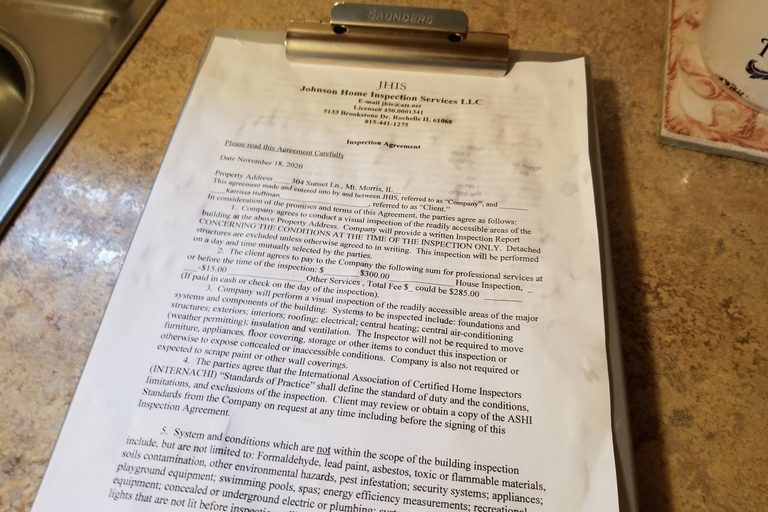
The inspector works from a written standard of practice. The two big national ones come from ASHI (the American Society of Home Inspectors) and InterNACHI (the International Association of Certified Home Inspectors), and many states that license inspectors have their own version. The standard tells the inspector what they must look at and report on, and what they don’t have to.
The key limit is that it’s a visual inspection of the parts of the house they can safely reach. InterNACHI’s standard says plainly that an inspection “will not identify concealed or latent defects.” The inspector doesn’t open walls, pull up carpet, or move the seller’s furniture and boxes. If a couch hides a stain on the floor, the report won’t mention it.

It also isn’t any of these:
Formats vary by software and by inspector, but most reports have the same parts.
The defects pulled out into one list, often color-coded. Read this first. Many inspectors sort items into groups like “safety hazard,” “major defect,” “repair,” and “maintenance/monitor.” The labels differ from one company to the next, so check the key at the front of your report.
Each section describes what’s there and then lists problems. The ASHI and InterNACHI standards cover roughly the same ground:
Each defect should come with a photo, its location (“northeast corner of basement”), and a recommendation, usually “evaluate by a licensed electrician” or similar. That’s normal. It means the inspector spotted a symptom and wants a specialist to find the cause and the fix.
Every report lists what the inspector couldn’t check and why: roof too steep or wet to walk, attic hatch blocked, AC not run because it was too cold outside, utilities off. Read this section closely. Anything listed here is an unknown, and you may want it checked before your inspection contingency runs out.
The general inspection doesn’t cover several things buyers assume it does. The InterNACHI standard specifically excludes determining mold, pests, and environmental hazards. These are usually add-ons, either from the same inspector or a separate specialist.

Radon is an odorless radioactive gas that seeps up from soil and rock. The EPA estimates it causes about 21,000 lung cancer deaths a year in the U.S. and calls it the leading cause of lung cancer among people who don’t smoke. You can’t see or smell it, so the only way to know is to test.
In a home sale, the usual test is a continuous monitor left in the lowest lived-in level for at least 48 hours with windows and doors kept closed. The EPA recommends fixing the house if the level is 4 picocuries per liter (pCi/L) or higher. A radon mitigation system can be part of your repair request.
A general inspector may write “possible insect damage, recommend pest evaluation,” but the formal check is a separate wood-destroying insect inspection. The standard form used across the country is the NPMA-33, and some states use their own form. If you’re using a VA loan in an area the VA rates as high termite risk, the lender will require one. Signs you’d see yourself: mud tubes on foundation walls, wood that sounds hollow when tapped, or tiny piles of wings near windowsills.
The general inspector will note visible growth, musty smells, and moisture they find with a meter, because moisture is the real problem. Lab testing is usually a separate service. The EPA’s guidance is that “in most cases, if visible mold growth is present, sampling is unnecessary.” You need to fix the water source and clean or remove what’s growing, whatever the species. Don’t let anyone sell you an expensive air test to tell you the black spots on the basement wall are mold.

A 40-page report with 70 items looks scary. Most of those items are small: a loose toilet, a missing outlet cover, caulk to redo. Sort the list into three piles.
Missing GFCI protection near water, double-tapped breakers, no smoke or CO alarms, a gas appliance that isn’t venting properly, loose stair railings. Most are cheap fixes, but they come first.
Roof near the end of its life, foundation movement, active water in the basement, an old or failing furnace, AC or water heater, outdated wiring (knob-and-tube, some aluminum branch circuits), failing sewer line. Get a contractor’s quote for each before you go back to the seller with a number.
These look minor but deserve a second look:
About 30 to 35 states require home inspectors to hold a state license, and the training and exam rules vary a lot from state to state. Some states, including Colorado, Georgia and Michigan, have no statewide license, so anyone can call themselves a home inspector there. In those states, membership in ASHI or InterNACHI is the main credential to look for. Check your state’s rules before you hire anyone.
Before you book, ask for a sample report. If it’s all checkboxes and no photos, find someone else. A good report shows you each problem, says where it is, and tells you who should look at it next.
As of October 2026, HomeAdvisor puts the national average for a general home inspection at about $344, with most buyers paying between roughly $300 and $425. Big houses, older homes, and crawl spaces push the price up. Add-ons like radon or sewer scope cost extra, often a few hundred dollars each. Most inspectors send the report within a day or two, and many hand you a draft or walk you through the main findings before they leave.
Go to the inspection if you can. Seeing the corroded pipe or the crack in person makes the report much easier to understand, and you can ask questions as you walk.
If you’re buying, the report is your basis for a repair request, a price cut, a closing credit, or walking away if your contract has an inspection contingency. Ask for credits on big items rather than seller repairs when you can, so you pick the contractor.
If you’re selling, a pre-listing inspection shows you what a buyer’s inspector will find before you’re under contract and short on time. You can fix the cheap items, price around the expensive ones, and avoid a deal falling apart in week two. Whether a pre-listing inspection is worth it for your sale depends on the house and the market. Note that some states require sellers to disclose known defects, and a report you’ve read counts as known. Check your state’s disclosure rules.
Compare a repair credit, completed repairs, and a price cut after a home inspection, with loan limits and how to get terms in writing.
Learn why an inspection report is not a repair list, how to sort findings into repair, monitor, and evaluate, and make a focused request.
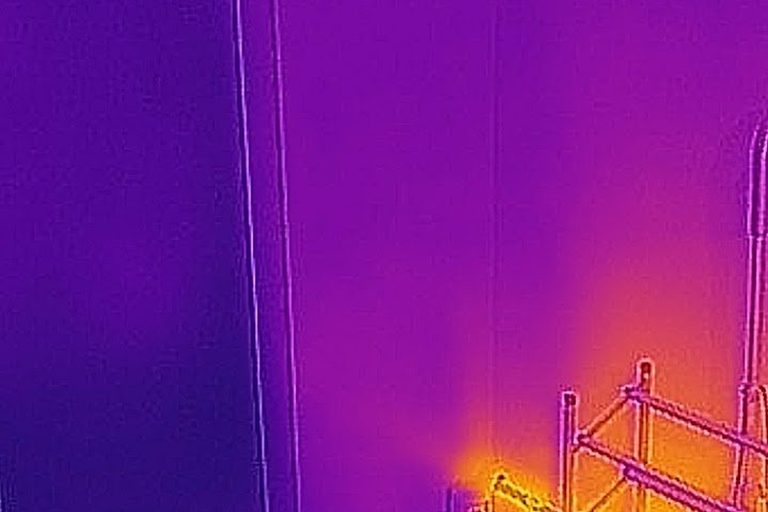
A thermal camera flags possible moisture, missing insulation, air leaks and hot wiring. Learn what a scan can and can't confirm, and what it costs.