Inspection FAQ
Credit or repairs. What buyers are asking for after the report
Compare a repair credit, completed repairs, and a price cut after a home inspection, with loan limits and how to get terms in writing.
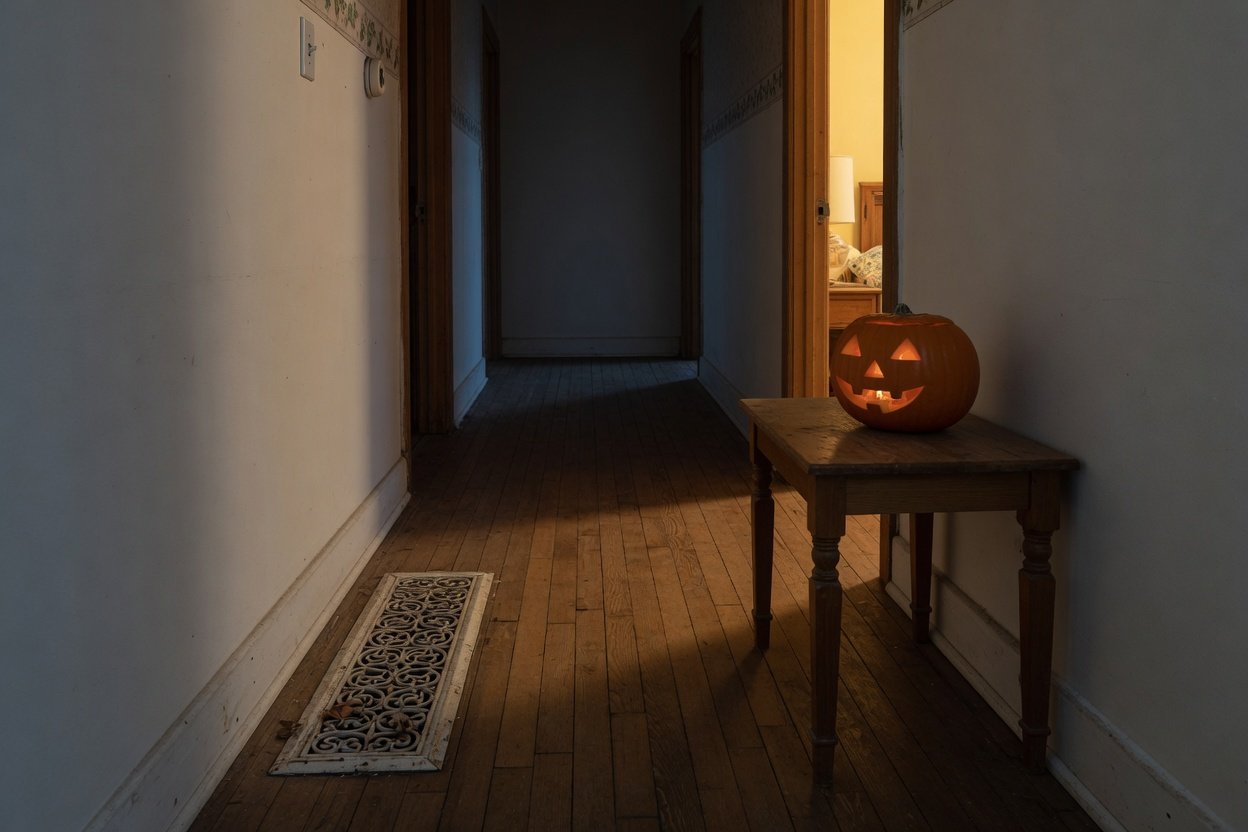
Your house isn't haunted. It's cooling off. Which nighttime noises are normal (creaking framing, booming ducts, ticking pipes), and which ones are worth checking (water hammer, scratching, buzzing, furnace bangs).
It's October, the furnace just kicked on for the first time, and the house is making noises you swear it didn't make in July. Before you call a priest, here's the good news: most of what you're hearing is the house cooling off, warming up, or doing its job. Here's how to tell the normal sounds from the ones worth a look.
Creaks and pops after sunset. Wood framing, drywall and siding shrink a little as they cool at night, and they rub against each other and against the nails that hold them. That's the classic "someone's walking upstairs" creak. It's more noticeable in fall, when the days are warm and the nights are cold, and more noticeable at night because everything else is quiet.
A boom or pop from the ducts when the furnace starts. Sheet-metal ducts expand when hot air hits them, and the blower pushes the metal outward. When the fan stops, they contract and pop back. It's annoying, but it's normal. A heating contractor can sometimes quiet it down.
Ticking in the walls. Hot water and heating pipes expand as they warm up and tick or creak against the framing.
Clicks and hums from appliances. The fridge, ice maker, water heater and furnace all click, hum and gurgle as they cycle.
The water heater rumbling. Usually sediment on the bottom of the tank. It's not dangerous, but it means the tank needs flushing. See our water heater check.
A bang in the pipes when a faucet shuts off. That's water hammer: water moving fast stops suddenly and slams the pipes. Over time it can loosen fittings. Often the fix is better pipe straps, a water hammer arrestor, or lower water pressure.
Scratching, scurrying or thumping in the attic or walls. That isn't the house settling. It's probably mice, squirrels or something bigger, and fall is when they move in. Look for droppings and entry holes, and get them out before they chew wiring.
Dripping when no water is running. Find it. A hidden leak is one of the most expensive problems a house can have. Our guide to finding a hidden water leak shows how to use the water meter.
Gurgling drains. If the toilet or tub gurgles when another fixture drains, the plumbing vent may be blocked, or there may be a partial clog.
Buzzing or crackling from an outlet, switch or the electrical panel. Stop using that circuit and call an electrician. Loose connections arc and get hot. See our electrical panel red flags.
A loud bang from the furnace when the burners light, or screeching from the blower. A bang at startup can mean delayed ignition, where gas builds up before it lights. Get a heating tech out. Our furnace check covers what you can safely look at yourself.
Cracking noises along with new cracks. If you hear a loud crack and then see a new crack in the drywall or foundation, or doors that suddenly stick, have someone look at the structure. Our guide to foundation cracks explains which ones matter.
A carbon monoxide alarm going off. Get everyone out and call 911 or the gas company from outside. Make sure your smoke and CO alarms work before the furnace season gets going.
Happy Halloween. Your house is probably fine.
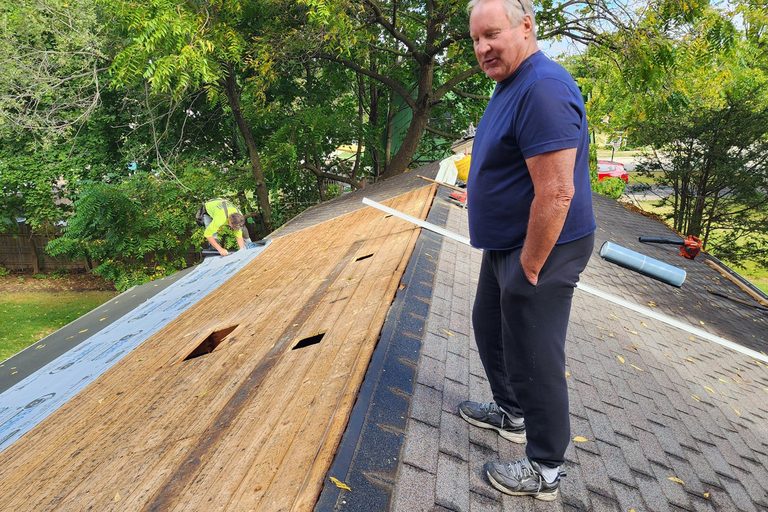
Compare a repair credit, completed repairs, and a price cut after a home inspection, with loan limits and how to get terms in writing.
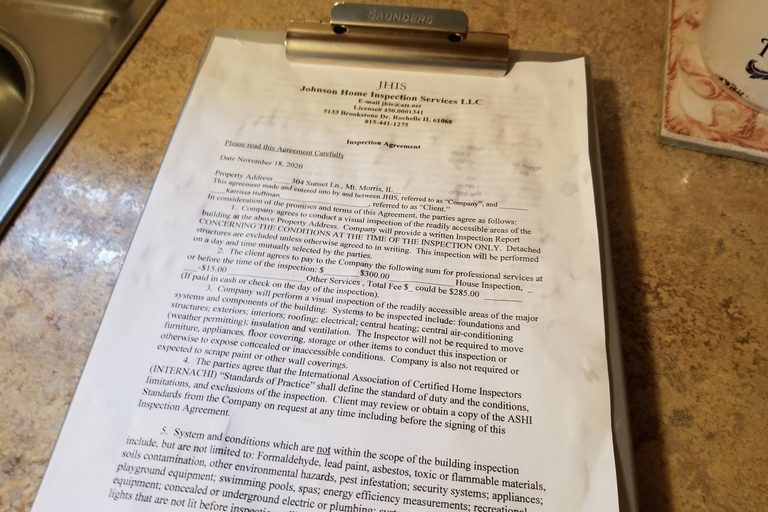
Learn why an inspection report is not a repair list, how to sort findings into repair, monitor, and evaluate, and make a focused request.
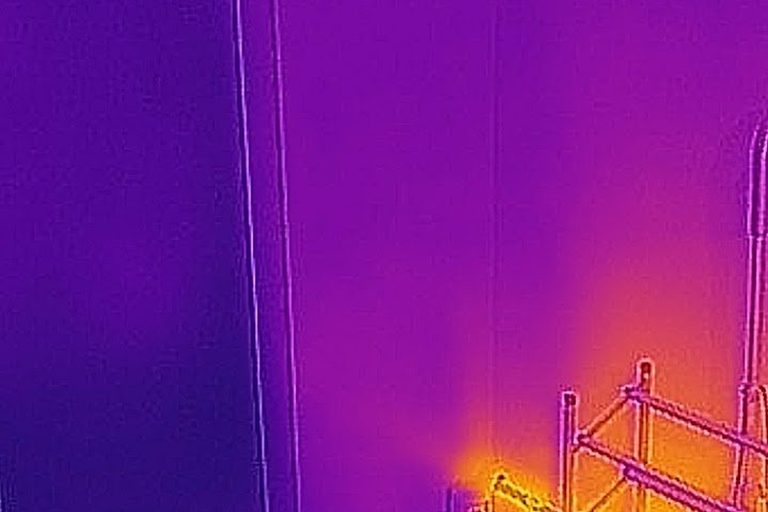
A thermal camera flags possible moisture, missing insulation, air leaks and hot wiring. Learn what a scan can and can't confirm, and what it costs.