Seasonal Checklists
What does a musty crawl space mean before you close the house up for winter?
Learn what a musty crawl space smell signals, how to check moisture and humidity before winter, and when to call a crawl-space specialist.
Check heated blankets and space heaters against the 2026 CPSC recall list, find model numbers, and learn safe-use rules before the first cold night.
The first cold night of fall usually goes like this: you pull the heated throw off the closet shelf, drag the little tower heater out from under the bed, and plug both in before dinner. Before you do, take five minutes to look up both on the U.S. Consumer Product Safety Commission (CPSC) recall list. Three recalls announced in 2026 cover more than 600,000 heated blankets and space heaters, and some of those heaters were sold as far back as 2013. If yours matches a recall, don't plug it in. Below is how to check, what to look for and how to use these units safely.
Start with the model number. On a heated blanket it's usually printed on the controller or remote, or on a label on the packaging. On a space heater, look for the rating label, which is usually on the bottom or back. Write down the brand, the model number and roughly when you bought it.
Then go to cpsc.gov/Recalls. You can filter recalls by date, hazard and product category. The categories that matter here are:
Use the category filter instead of scrolling the main list. As of mid-October 2026, none of the blanket or heater recalls below showed up on the first page of CPSC's recall results. Newer recalls for other products had pushed them further down. You can also search by brand name.
If you find a match, stop using the product. If you're not sure, call the CPSC hotline at 800-638-2772 or email info@cpsc.gov.
While you're on the site, sign up for CPSC's email recall alerts (there's also an RSS feed). That way, a recall announced in the middle of winter will reach you without another search.
JKMAX heated blankets and heating pads (announced Sept. 17, 2026). About 195,000 units. The wire heating elements inside can overheat. JKMAX has received 577 reports of the blankets smoking, melting or burning, including 53 burn injuries.
OCTROT heated Sherpa throws and blankets (announced July 30, 2026). About 178,000 units. The cord can detach and catch fire. There have been 555 reports of melting, sparking or smoking, 27 fires and 15 burn or shock injuries.
Vornado SRTH Small Room Tower Heaters (announced June 4, 2026). About 255,000 units in the U.S. A fan blade can come loose from the motor shaft, which can make the heater overheat and melt parts. Vornado has received 32 reports of overheating, including eight fires and one report of smoke inhalation.
Both blanket recalls involve products sold only on Amazon. The Vornado heater is the only one of the three that was also sold in stores. If you bought a heated throw online in the last few years, check your Amazon order history for the brand name.
The recall list is only one check. The product itself can tell you a lot too.
Find the model number. On JKMAX blankets it's on the back of the remote and on a white label on the packaging, next to the JKMAX brand name. On OCTROT throws, check the white controller and the packaging. On the Vornado heater, turn it over: "TYPE SRTH" is printed on the silver rating label on the bottom. If the label has worn off or the packaging is long gone, search the brand and product type in the CPSC database and compare the photos.
Look for a testing-lab mark. CPSC advises buying heaters that have been tested and certified by a nationally recognized testing laboratory. A cheap heater or blanket with no certification mark anywhere on it is a warning sign. Newer electric heaters also shut off on their own if they tip over. An older heater may not have that feature.
Look at the cord and the fabric. Run the cord through your hands, end to end. Fraying, cracked insulation, scorch marks or a plug that looks melted all mean the unit is done. On a blanket, look for dark, charred or stiff spots in the fabric, and check where the cord connects to the blanket. That joint is where the OCTROT hazard starts. After the unit has been on for a few minutes, feel the cord. PIRG's consumer safety guidance says that if a heater's cord gets hot, stop using it.
Don't assume an old heater is in the clear. The Vornado recall covers heaters sold over almost 13 years. A heater you bought in 2014 and have used every winter since can still be on the list.
A unit that passes the recall check can still start a fire if it's used the wrong way. According to the National Fire Protection Association, space heaters caused about a third of home heating fires and about 88% of heating fire deaths in its 2016–2020 data. Its earlier analysis found that the leading factor in heating fire deaths was equipment placed too close to something that could burn.
For space heaters, CPSC's guidance comes down to a few rules:
For heated blankets:
This is also a good week to test your smoke alarms. CPSC recommends a smoke alarm on every level of the home and a carbon monoxide detector outside sleeping areas. If you use a gas or kerosene heater, have it inspected every year.
Unplug a recalled unit and stop using it right away, even if it has always worked fine. All three recalls offer a full refund:
If a company doesn't respond, use CPSC's Recall Complaint form or call the CPSC hotline. If a blanket or heater smoked, sparked or burned someone, report it at SaferProducts.gov. Reports there help CPSC spot problems before a recall.
Check the outlet the unit was plugged into, too. If the outlet is hot, scorched or discolored, or the circuit keeps tripping, stop using that outlet and call a licensed electrician to inspect the wiring before you plug anything else into it. Have that done before Thanksgiving, when ovens, lights and extra guests put more load on the house's circuits.
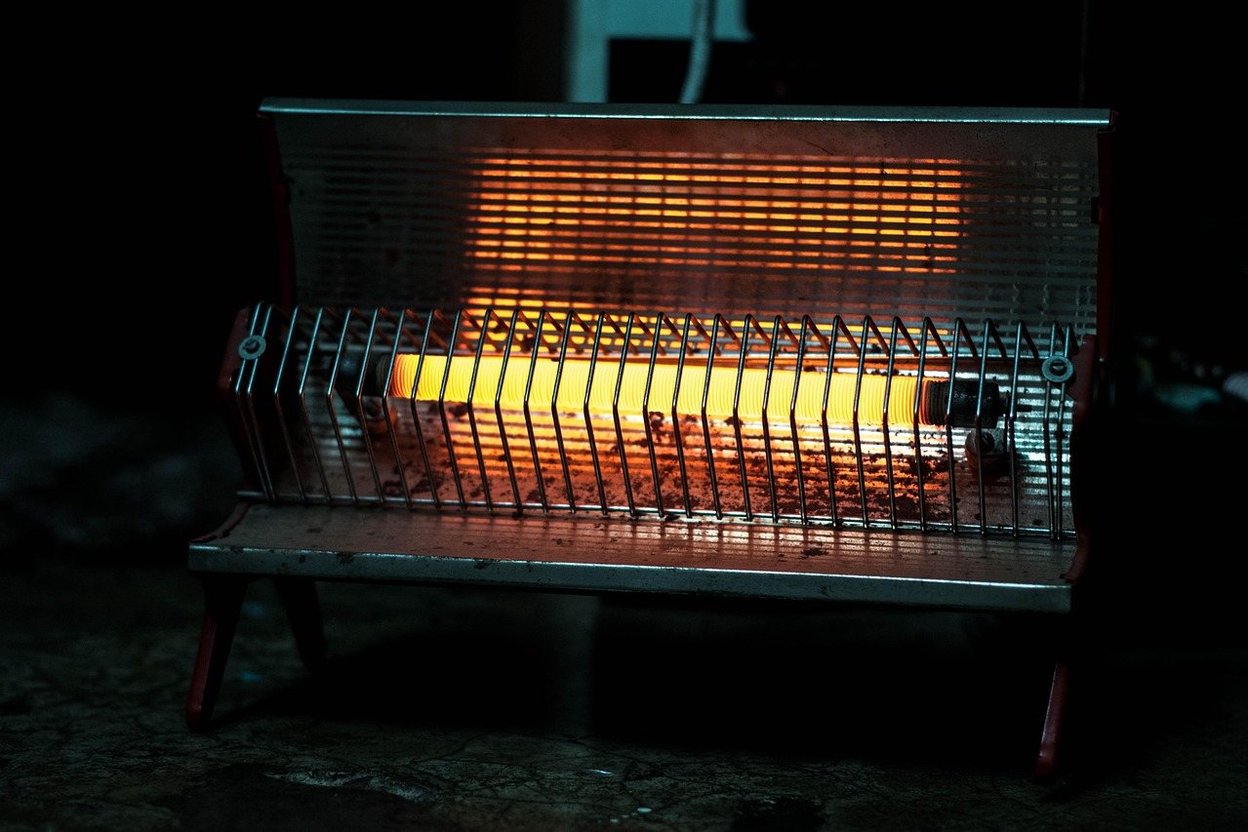
Photo by suvajit on Pixabay.
Learn what a musty crawl space smell signals, how to check moisture and humidity before winter, and when to call a crawl-space specialist.
Learn how to run a 5-gallon bucket test on your sump pump, check the discharge line and backup pump, and prepare before the ground freezes.
Learn what to check in your dryer vent before winter, inside and outside, including duct material, airflow, blockages, and when to call a pro.