Inspection FAQ
Credit or repairs. What buyers are asking for after the report
Compare a repair credit, completed repairs, and a price cut after a home inspection, with loan limits and how to get terms in writing.
An October inspection runs the heat only briefly. Learn what it misses, what to check in your first cold week, and when to call an HVAC pro.
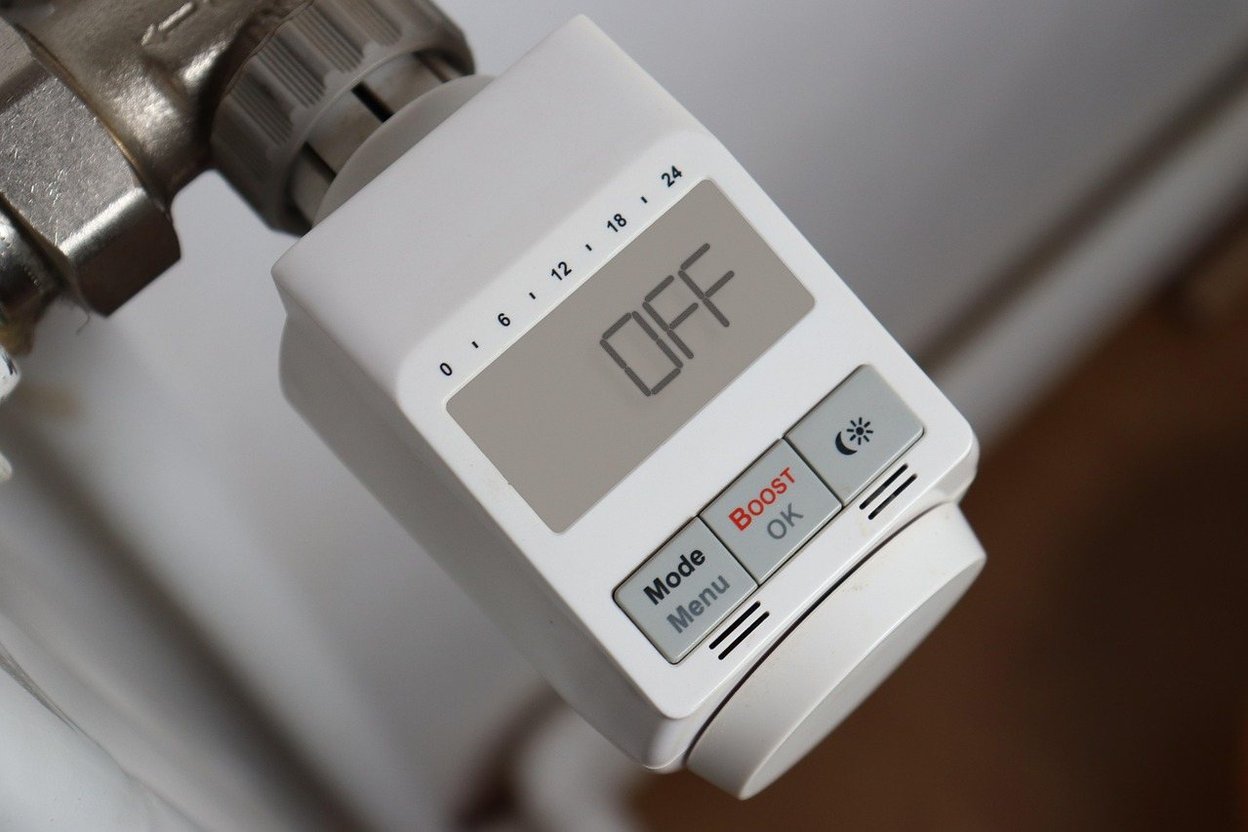
When you turn on the heat for the first time in October, you may hear the furnace start and feel warm air at a vent. An October home inspection does run the heating system, but its brief test can miss problems that emerge under steady winter use or in severe cold.
The inspector’s report can confirm basic operation without showing how evenly the house heats, whether the system can keep up on the coldest days, or how the attic and roof respond to snow and freezing temperatures. Knowing those limits helps you decide what to check yourself and when to call a licensed HVAC contractor.
An October inspection includes a brief heating-system test, but it cannot show how the system performs through sustained winter use. Inspectors following InterNACHI or ASHI standards operate the heat with the thermostat when conditions allow. The title overstates the gap: the heat is tested, just lightly.
That brief run can show whether the system starts and produces heat. It does not reveal how the equipment holds up after hours of operation during a cold spell, or whether every room stays comfortable. Inspectors do not assess room-by-room balance or heating capacity.
Important components also fall outside the standard inspection. The heat exchanger, humidifier and inside of the flue are not covered. A short October visit also cannot reproduce cold-weather problems such as ice dams, frost in the attic or frozen pipes. Those problems depend on conditions that have not arrived yet.
Read “heat operated” in your report as a limited observation, not a full furnace evaluation. If you need a closer check of internal components or combustion, arrange a separate visit with an HVAC professional.
InterNACHI and ASHI standards do not require inspectors to evaluate several internal parts or measure how well heat reaches each room. The scope focuses on visible, accessible components and basic operation.
An inspector is not required to inspect the heat exchanger, humidifier or interior of the flue. Standards also exclude evaluating heat output and distribution, testing thermostat calibration, and inspecting concealed areas. Those limits mean a report can record that the system operated without assessing whether it delivers enough heat throughout the home.
Inspectors can decline to operate equipment when doing so could damage it. Weather conditions can affect whether a system can be safely run, and an inspection does not require operation at any cost.
ASHI approved a revised standard on January 8, 2026, but that revision has not taken effect. The 2014 ASHI standard remains the one in force. If your state has its own home-inspection rules, check those as well, since state requirements can differ from national standards.
A late-October inspection may leave the central air conditioner untested because outdoor temperatures are too low for safe operation. InterNACHI says inspectors are not required to run central AC when it is below 65°F outside, since a cold compressor can be damaged. One Minnesota inspector uses a cutoff of 60°F.
Your report may say “cooling not tested.” Ask the seller or inspector whether the system was run, and request an evaluation by an HVAC contractor once outdoor conditions are warm enough. That visit can give you information about cooling operation that a fall inspection could not provide.
During the first cold week, change the filter, run the heat and pay attention to odors, sounds and room temperatures. These checks help you spot issues that a brief inspection test may not reveal.
Keep your notes, including which rooms feel cold and whether any odor persists. Share them with an HVAC contractor if the system needs service.
Fuel-burning heating equipment needs a professional inspection every year, and your home needs working carbon monoxide alarms on every level and outside sleeping areas. Test the alarms monthly, as the Consumer Product Safety Commission’s CO guidance recommends.
A home inspector notes whether alarms are present but is not required to test them. A visible alarm in the report does not confirm that it works, so use its test button each month and follow its instructions.
CO deaths cluster from November through February, when homes rely on fuel-burning heat. The CPSC also advises caution when using furnaces, generators and space heaters during winter; review its cold-weather safety guidance.
Alarm rules vary by state. For example, Massachusetts’s Nicole’s Law requires a CO alarm on every habitable level; the state’s winter safety advisory also reminds residents to keep vents clear of snow.
Ice dams, attic frost and rooms that remain cold can appear after a hard freeze or the first snow, even when an October inspection showed basic heating operation. They require winter conditions that a fall visit cannot reproduce.
An ice dam forms when heat warms the roof and snow melts, then water freezes at the colder eaves. After the first snow, look for icicles or ridges of ice along the eaves. The University of Minnesota Extension’s ice-dam guidance explains the role of heat escaping into the attic.
From the attic hatch, look for frost on roof nails after very cold weather. When that frost melts, check for stains around bath fans and light fixtures. If some rooms remain too cold, record which ones and ask a professional to assess the equipment, ducts and insulation.
The fix order for attic heat loss is air sealing first, then insulation. Sealing air leaks limits warm, moist indoor air entering the attic before added insulation reduces heat transfer.
If your report says the heat “operated” and gives no deeper furnace findings, ask a licensed HVAC contractor about a separate furnace inspection or tune-up. The contractor can check the heat exchanger and perform a combustion and carbon-monoxide check.
Typical 2026 prices for a furnace inspection or tune-up range from about $70 to $200. A winter-season visit can also show how the system performs under colder conditions that a fall inspection cannot reproduce. Ask the contractor what the quoted service includes and whether the visit covers the heat exchanger and combustion check.
Photo by geralt on Pixabay.
Compare a repair credit, completed repairs, and a price cut after a home inspection, with loan limits and how to get terms in writing.
Learn why an inspection report is not a repair list, how to sort findings into repair, monitor, and evaluate, and make a focused request.
A thermal camera flags possible moisture, missing insulation, air leaks and hot wiring. Learn what a scan can and can't confirm, and what it costs.