Seasonal Checklists
What Humidity Level Should You Keep Indoors in Winter?
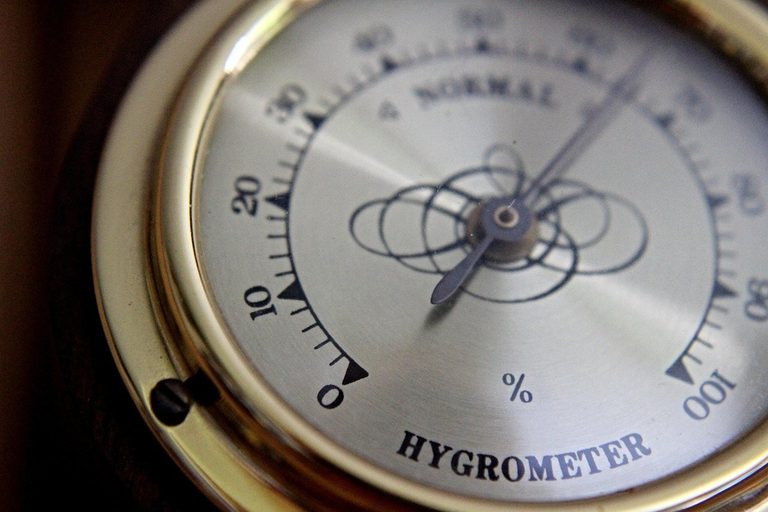
Learn the indoor humidity target for winter (30–40%, lower in deep cold), how to measure it, and how to adjust it to stop window condensation.
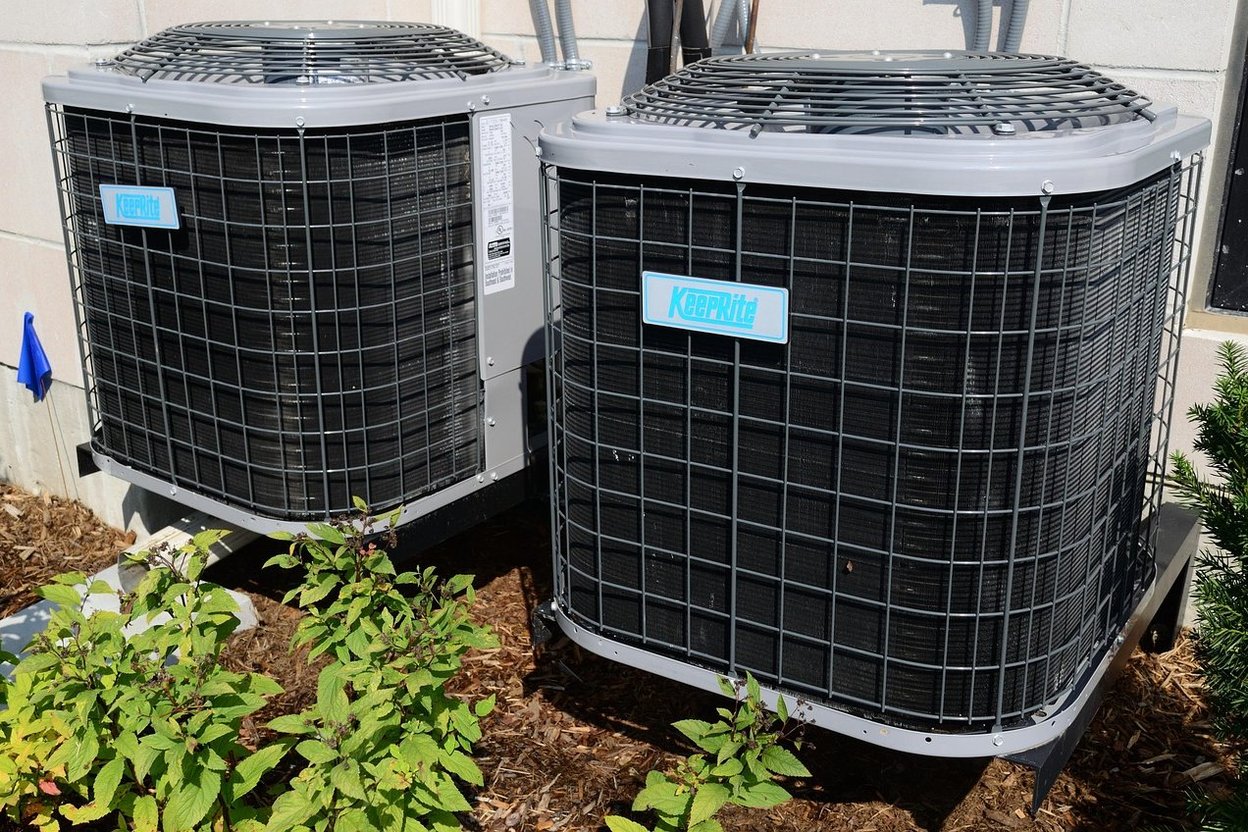
Most AC units don't need a full winter cover, which traps moisture and invites pests. Learn when a top-only cover helps and why heat pumps stay bare.
The leaves are coming down, the AC has been off for weeks, and you're looking at that metal box beside the house and wondering if it needs a coat for winter. Hardware stores have covers on the shelf, and the house you're buying may even have one draped over the condenser. For most cooling-only central air units, the answer is no. A full cover often does more harm than good. If you want some protection, cover only the top. And if the unit is a heat pump, don't cover it at all while it's in use.
Outdoor condensers are built to sit out in the weather all year. Lennox answers "no" when asked whether you need to cover the outdoor unit, and says modern units "typically don't require winterization." HVAC.com says manufacturers generally advise against covering and leave the final call to the homeowner. HVAC pros quoted by AOL also advise against fully covering an AC for winter.
There's one exception for cooling-only systems. If your yard drops a lot of debris on the unit, a top-only cover can help keep it out. The Farmers' Almanac suggests checking your owner's manual and asking your installer whether conditions at your house justify one.
Here's what that means in practice:
That last point is about more than looks. A full cover causes real problems.
Trapped moisture. Rain, snowmelt and condensation get under a cover, and the cover keeps them from drying out. Lennox warns that full covers, especially plastic or vinyl, can trap moisture and invite rust, mold and rodents. HVAC.com says the trapped moisture can cause mold and damage wiring, connections and circuit boards. Matt Gorbacz of Clean Air Technologies told Hunker that plastic or tarps "trap moisture and leave you with rust, corrosion, and even critters nesting in the unit."
A winter home for animals. A covered condenser is dry, dark and out of the wind, which makes it a good shelter for mice and squirrels. HVAC pros quoted by AOL say animals nest in covers, chew wiring and block drains. You often won't find the damage until the first hot day in spring, when the unit won't start.
Startup damage. Covers get forgotten. Randall Boutte of HomeServe told AOL that running the AC with a cover still on can damage the equipment or cause refrigerant leaks. If you do use a cover, put a note on the thermostat as a reminder.
Your warranty. Travis Arnesen of Service Experts told AOL that damage from improper covering will likely void most warranties. Check your warranty paperwork before you buy anything.
A "waterproof" label doesn't fix any of this. The Farmers' Almanac notes that "waterproof" on the package doesn't mean a cover suits your unit, and a cover that keeps water out can also keep it in.
Lennox says a cover may be worth considering if the unit sits under trees, collects falling debris or leaves, or if your technician recommends one. Oaks, maples and pines dropping into the top grille all fall into that category. A top cover keeps leaves, twigs and seed pods out of the fan opening while the sides stay open so air can move and moisture can dry.
You have three common options:
Clean the unit before you cover it. Lennox says to clean the unit and clear debris from inside it first. Hunker recommends hosing off the unit and clearing away leaves before winter. A late-October afternoon, once most of the leaves are down, is a good time to do it:
All of this applies only to cooling-only units. Heat pumps follow different rules.
A heat pump's outdoor unit is the heart of your heating system in winter. It pulls heat from the outdoor air, so it has to move a lot of air all season. HVAC.com says you "should never cover the outdoor unit" of a heat pump, and cites fire hazard, blocked airflow and overheating. Lennox says heat pumps that run year-round should never be covered. The Farmers' Almanac reports that Trane advises against a solid cover and recommends clearing snow away instead.
Many mini-splits heat as well as cool. The Farmers' Almanac says to check whether yours does. If it heats, it needs the same open airflow plus room to drain water during defrost.
Frost is normal, but heavy ice is not. Heat pumps build up frost on the coil in cold, damp weather. Lennox says light frost on the coils is normal, and that the unit should defrost itself about every 30 to 90 minutes. During defrost you may see steam and hear the fan stop for a short time. These are signs of trouble:
Never chip the ice. Lennox warns against chipping at ice or pouring hot water on the unit, because either one can damage the coils, fins and fan blades. A snow guard on top is fine, but don't block the sides.
Keep 2 feet clear. Lennox and AOL's sources both recommend at least 2 feet of clearance on all sides. That means shoveling snow away, keeping drifts off, and making sure the roof drip line doesn't drop water onto the top.
Before winter (a good job for the weeks before Thanksgiving):
Signs you need a technician. Lennox says to call a pro if:
Refrigerant work and electrical repairs inside the unit are jobs for a licensed HVAC technician. Your part is limited to turning off the power and clearing debris and snow.
What damage costs. If rust, ice or chewed wiring ruins the outdoor coil, replacement gets expensive. PickHVAC puts condenser coil replacement at about $900 to $2,300 installed, with labor of roughly $400 to $1,000 (2 to 4 hours at $75 to $150 an hour). Other estimates reach about $800 to $3,000, so treat any single figure as a rough estimate and get local quotes. Check the warranty first. PickHVAC notes that a manufacturer's warranty on the coil may cover the part, leaving you to pay for labor and refrigerant. That's one more reason not to void the warranty with the wrong cover.
Buyers: if the inspection report mentions a cover on the condenser, ask how long it has been on. Then have the inspector or an HVAC technician look for corrosion on the coil, rodent nesting, and damaged wiring before you close.
Photo by ElasticComputeFarm on Pixabay.
Learn the indoor humidity target for winter (30–40%, lower in deep cold), how to measure it, and how to adjust it to stop window condensation.
Frost on attic roof nails usually means warm indoor air is leaking in, not a roof problem. Here's how to spot it and which fixes to do first.
The first furnace run of fall often smells like burning dust. Learn what's normal, when the smell means shut it off, and when to leave the house.