Seasonal Checklists
What Humidity Level Should You Keep Indoors in Winter?
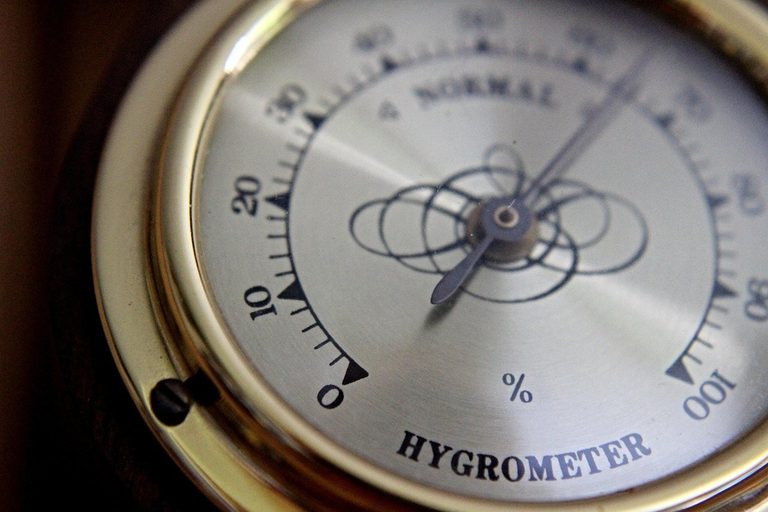
Learn the indoor humidity target for winter (30–40%, lower in deep cold), how to measure it, and how to adjust it to stop window condensation.
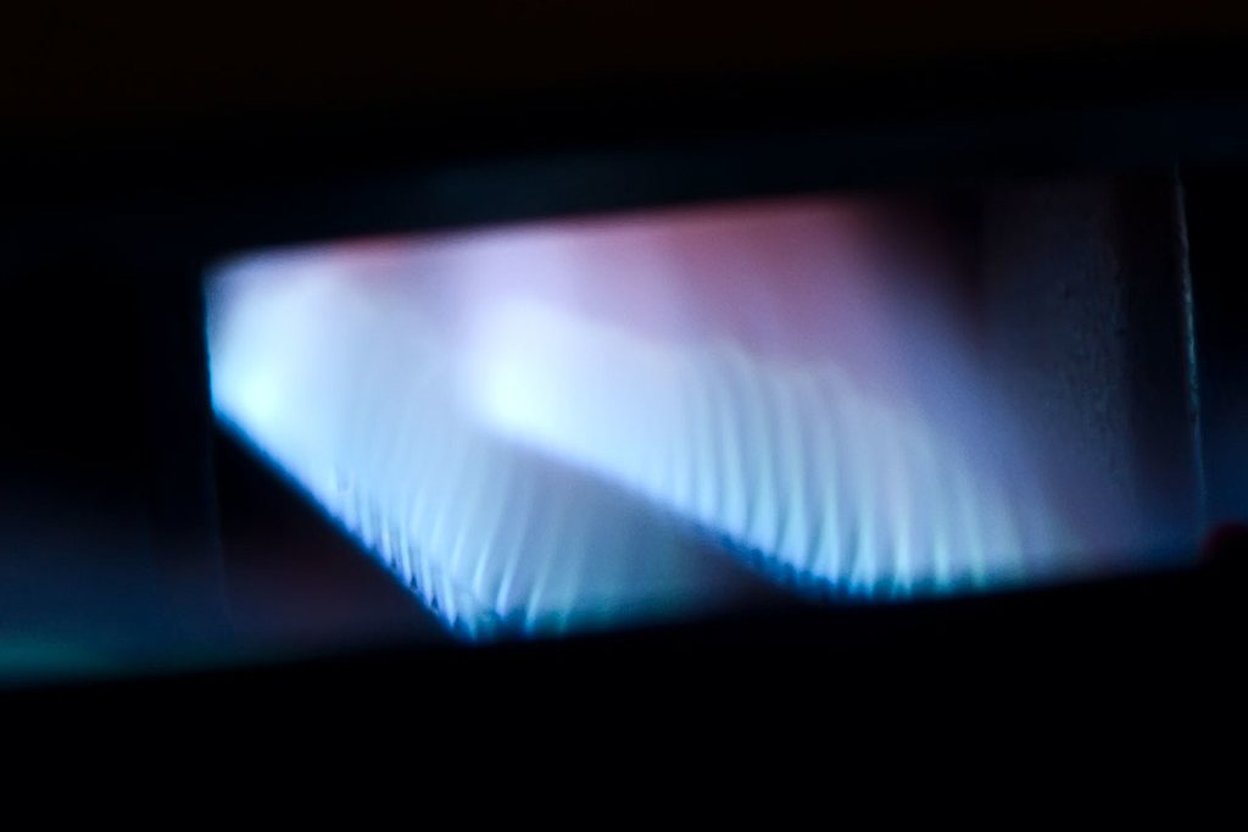
The first furnace run of fall often smells like burning dust. Learn what's normal, when the smell means shut it off, and when to leave the house.
The first cold night of fall, you turn the thermostat up and the furnace starts. A few minutes later a warm, slightly scorched smell comes out of the registers. It's usually harmless. Over the summer, dust settled on the furnace's hot parts, and now it's burning off. The smell should fade within minutes or, at most, a few hours. Some smells mean you should shut the furnace off, though, and one means you should leave the house. Here's how to tell them apart and what to do before and after that first run.
For months the furnace sat idle while dust settled on the burner and heat exchanger. When the burner lights and those parts heat up, the dust scorches. The blower pushes the warm air through the ducts, which have their own layer of dust, and the smell comes out at the registers. Carrier and American Standard both describe the same process.
Normal is a dry, dusty smell, maybe a little burnt. Sources disagree on how long it should last:
A furnace that's been well maintained, with a clean filter, tends to be at the short end. A dusty system with dirty ducts takes longer. A reasonable rule: the smell should get weaker the longer the furnace runs and should not come back the next day.
A brand-new furnace can also smell for a different reason. American Standard notes that protective coatings on new equipment can burn off during the first runs. That smell should fade within about an hour, and opening windows while it does helps.
These sources describe gas and oil furnaces, the kind with burners. Electric furnaces aren't covered here.
Once the dust smell is gone, any smell that's left tells you something:
A few minutes of prep makes the dust smell shorter and makes the warning smells easier to notice.
Call an HVAC technician if any of these happen:
If you smell rotten eggs or sulfur, leave the house. Don't flip light switches on the way out. Once you're outside, call the gas utility or 911.
Your nose can't detect carbon monoxide. CO has no smell and no color, so a furnace that smells fine can still be leaking it. The CDC lists the symptoms as flu-like: headache, dizziness, weakness, upset stomach, vomiting, chest pain and confusion. People who are asleep can die before they notice any symptoms. If several people in the house feel sick at once, or the symptoms ease when you leave home, get everyone outside and call 911.
What the CDC recommends:
Requirements for CO alarms differ by state, so check your local rules.
The CDC and the U.S. Consumer Product Safety Commission both recommend having fuel-burning heating equipment serviced every year by a qualified technician. CPSC's checklist includes inspecting chimneys, flues and vents for leaks and blockages, and checking gas pressure and fuel input. These are combustion and venting checks, which are a technician's job, not a homeowner's.
If you tour a house or attend an inspection on the day the heat first runs, a brief dusty smell doesn't mean the furnace is defective. It's normal for any furnace that has been sitting all summer.
These things are worth raising with your inspector or the seller:
If you're closing before Thanksgiving, you'll probably be running that furnace through the holidays. Ask these questions before you sign.
Photo: fire in the hole by iowa_spirit_walker, BY 2.0.
Learn the indoor humidity target for winter (30–40%, lower in deep cold), how to measure it, and how to adjust it to stop window condensation.
Frost on attic roof nails usually means warm indoor air is leaking in, not a roof problem. Here's how to spot it and which fixes to do first.
Most AC units don't need a full winter cover, which traps moisture and invites pests. Learn when a top-only cover helps and why heat pumps stay bare.