Seasonal Checklists
What Humidity Level Should You Keep Indoors in Winter?
Learn the indoor humidity target for winter (30–40%, lower in deep cold), how to measure it, and how to adjust it to stop window condensation.
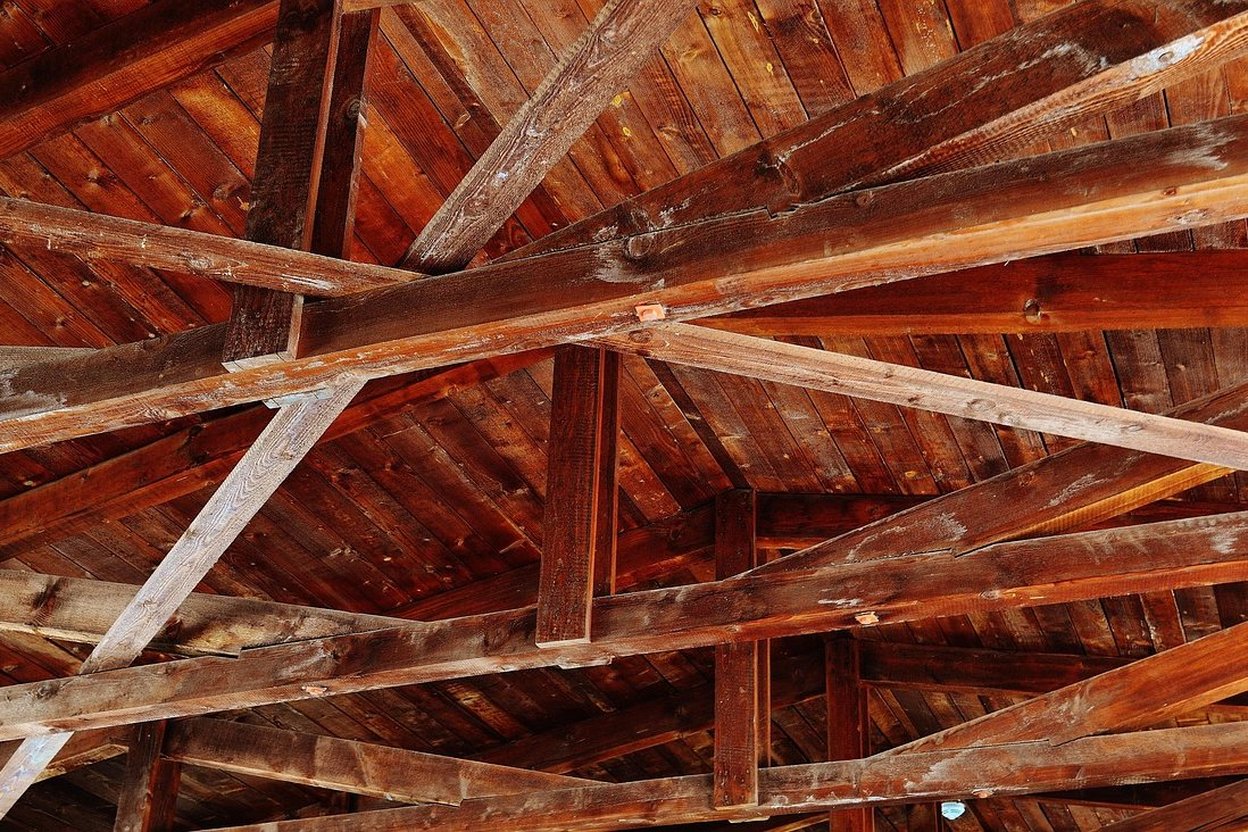
Frost on attic roof nails usually means warm indoor air is leaking in, not a roof problem. Here's how to spot it and which fixes to do first.
On the first cold morning of fall, you climb into the attic to get the Halloween decorations and find white frost on the roof nails and the underside of the roof boards. Or a buyer's inspection photo shows dark stains on the roof deck. This usually isn't a roof problem. Warm, damp air from your living space is leaking into the cold attic. This article covers how to spot it, what causes it, which fixes to do first, what they cost and when to call a pro.
Most moisture in an attic comes from the living space below. It gets there because winter indoor humidity is too high, because the ceiling isn't sealed, or both. Once the heat comes on, the house is much warmer than the attic. That warm, moist air rises and leaks through gaps in the ceiling, which builders call "attic bypasses." When it hits a cold surface it condenses or freezes. The roof nails get cold first, so frost forms on them first. Then it spreads to the sheathing (the roof boards) and the roof vents.
The frost doesn't do the damage. The melt does. On a sunny day or during a thaw, the frost turns to water. It drips onto the insulation, soaks into the sheathing and can show up as stains on the ceiling. If that happens every winter, it can lead to mold, rotted sheathing and matted insulation.
That's why the fix usually isn't on the roof. One home-inspection guide warns that a lack of attic ventilation doesn't cause frost, and that adding vents the wrong way can make it worse. Green Building Advisor agrees: sealing the ceiling is the most effective prevention, and venting only treats the symptom.
Go up on a cold morning, ideally after a clear, cold night and before the sun warms the roof. Bring a bright flashlight. Step only on the framing, never between the joists.
Look for:
Frost usually forms right above where the air is leaking in, so check the usual leak points. These include bath fan housings, recessed can lights, holes for wiring and plumbing, the attic hatch, and the chase around the chimney or furnace flue. ENERGY STAR also points to dropped soffits, slanted ceilings over stairways and the joints where walls meet the ceiling. These spots can hide open stud cavities that are major leak sources.
ENERGY STAR says attic air sealing is a reasonable DIY job, usually a day or two, if the attic is easy to get into and move around in. Stop and call a contractor if you find any of these:
1. Air leaks in the ceiling. This is the main cause. Bath fan housings are a classic leak point. The decorative trim around the fan doesn't stop air, so the gap between the fan box and the drywall needs sealing. Can lights, wiring holes, plumbing vent pipes, an unsealed attic hatch and the furnace flue or chimney chase are the other usual suspects.
2. Fans or vents that dump into the attic. Bathroom, kitchen and dryer exhaust should go all the way outdoors. Aiming a fan duct at a roof vent isn't enough, because a lot of that moist air stays in the attic. Look for ducts that end in the insulation, have come loose, or point toward a vent without connecting to it.
3. High indoor humidity. Common sources include whole-house humidifiers set too high, a lot of houseplants, damp basements and crawl spaces without a vapor barrier. Your windows give you a quick clue. According to NDSU Extension, a typical double-pane window starts to fog at about 40% indoor humidity once it's 0°F or colder outside. At 30%, condensation doesn't form until about -20°F. If your windows run wet on cold mornings, your indoor air is probably too humid for the season.
4. Furnace duct and pressure problems. In winter, warm air rises and pushes out through the top of the house (the "stack effect"). Duct problems can make that push stronger. One inspection guide describes how a combustion-air duct tied into the return, or unbalanced returns, can pressurize the upper floors while the furnace runs. That forces more air into the attic. Its suggested home check: leave a basement door about an inch from closed and run the furnace fan. If the door swings shut by itself, the ducts may be out of balance. Treat that as a rough screen. An HVAC contractor can confirm it.
The order matters. A fix done too early can make things worse.
Step 1: Cut the humidity. Turn off or turn down any whole-house humidifier. Use a cheap hygrometer to check indoor humidity and keep it under these levels, which come from the Minnesota Center for Energy and Environment (MNCEE):
The colder it gets, the lower the target, so check again as the weather drops through November.
Step 2: Send all exhaust outdoors. Reroute any bath, kitchen or dryer duct that ends in the attic so it goes through a proper roof or wall cap. Put bath fans on a timer or humidity switch. One inspection guide suggests running them about an hour after a shower.
Step 3: Air seal the attic floor. Seal small gaps around wires and pipes with caulk or expanding foam. Seal larger openings from the attic side. Weatherstrip and insulate the hatch. Leave can lights for a contractor if you have a lot of them unsealed. If your budget only covers one fix, air sealing is the one most experts point to.
Step 4: Then add insulation. Don't do this first. More insulation makes the attic colder, and if moist air is still getting in, frost can get worse. Modern codes call for about R-38 or more in attics across nearly the whole US.
About roof vents: More vents aren't the first fix, but ventilation still matters. Cold outdoor air is dry, and it can help in borderline cases. Kohta Ueno of Building Science Corporation, quoted by Green Building Advisor, wouldn't recommend skipping it. The IRC requires unconditioned attics to be vented. Avoid powered attic fans, though. They can pull warm house air up into the attic, and they can backdraft a gas water heater. If you already have frost, a regular box fan in the attic may help it dry faster.
These ranges are rough. Prices vary a lot by region, how easy the attic is to get into, and how much prep work is needed.
Rerouting exhaust ducts, mold cleanup and replacing sheathing are priced separately. Get quotes.
Call a pro if you find mold, soft or rotted wood, wet insulation, knob-and-tube wiring, a history of ice dams, or little or no ventilation. Have a licensed electrician check old wiring before anyone seals or insulates around it. Frost is usually not a roofer's job. An insulation and air-sealing contractor is the better first call. Bring in a roofer or structural pro if the sheathing has decayed. Long-term wetting can rot OSB sheathing badly.
Wood moisture meters help, but they don't tell the whole story. Readings that stay above roughly 20% are a common warning sign, and wood is fully saturated somewhere around 26 to 30%. Even so, research from Lawrence Berkeley National Laboratory found that moisture readings alone can miss mold risk. A visual check still matters.
Buyers: If the report shows frost or staining, ask the inspector for:
Then get a quote from an air-sealing contractor before closing.
Photo by Alexas_Fotos on Pixabay.
Learn the indoor humidity target for winter (30–40%, lower in deep cold), how to measure it, and how to adjust it to stop window condensation.
The first furnace run of fall often smells like burning dust. Learn what's normal, when the smell means shut it off, and when to leave the house.
Most AC units don't need a full winter cover, which traps moisture and invites pests. Learn when a top-only cover helps and why heat pumps stay bare.