Plumbing
No cleanout. The backup is how people find out
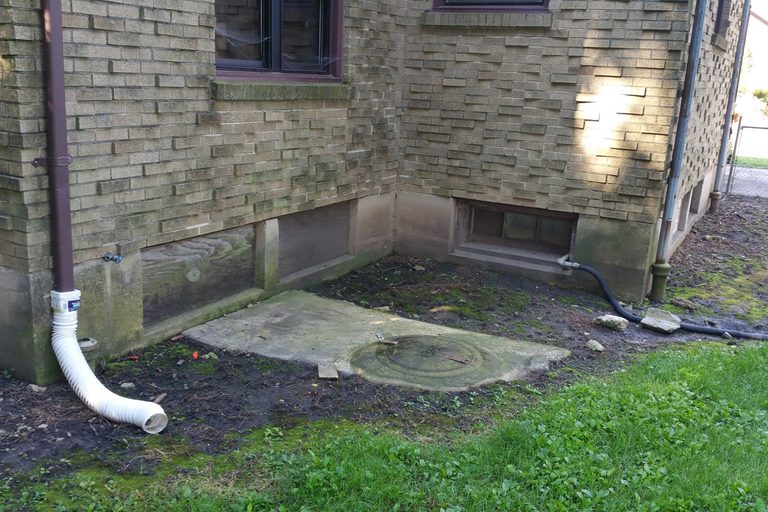
Learn how to find your sewer cleanout, what plumbing codes require, who owns the sewer line, and what a scope or cleanout install costs.
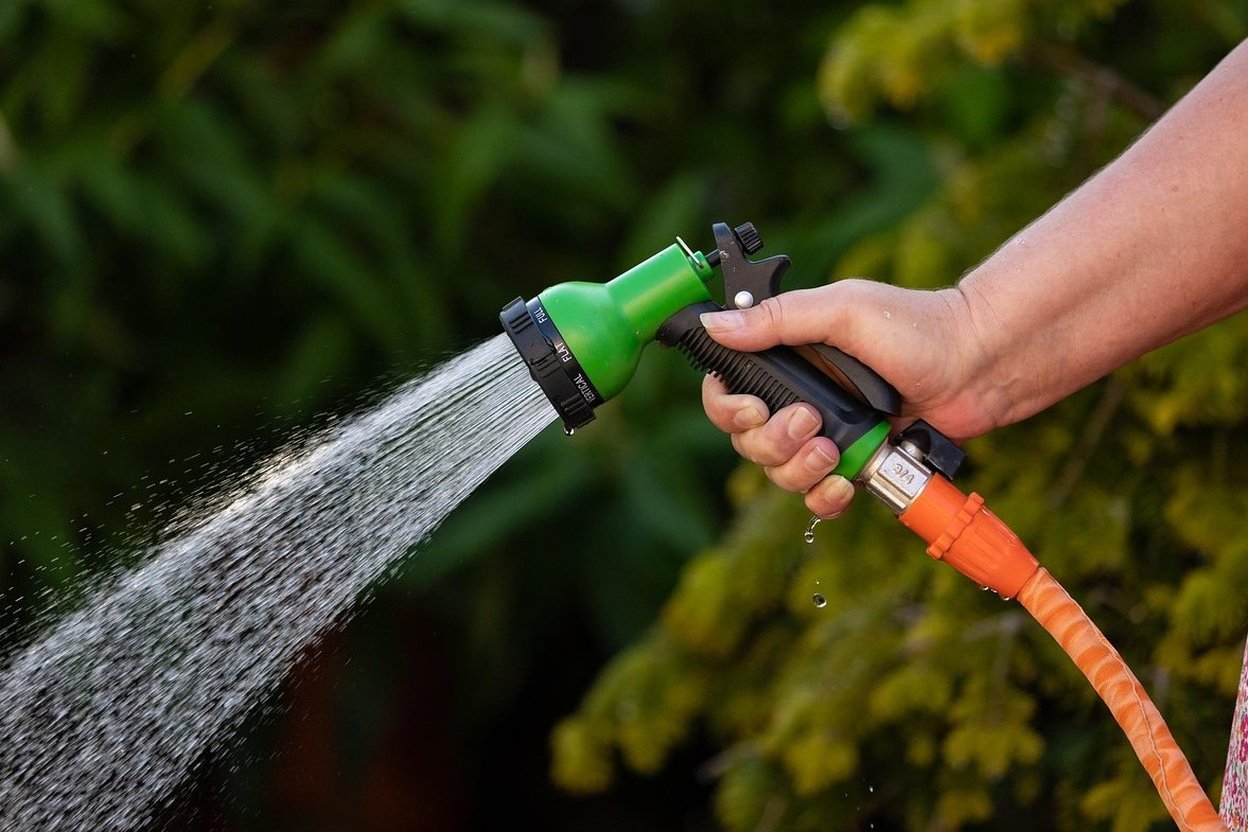
Learn how to drain and shut off outdoor faucets before a freeze: disconnect the hose, close the indoor valve, drain the line, and add a cover.
You already know the feeling: the forecast flips to freezing overnight and you remember the garden hose is still attached to the spigot. Shutting down an outdoor faucet before a freeze means disconnecting the hose, closing the indoor shutoff valve, draining the line through the outdoor faucet, and covering what's left exposed. Skip any one of those steps and a freeze can still reach the pipe behind your wall.
The steps are simple, but the details matter: which valve you have, how long you leave the faucet open, and whether your home even has a shutoff for that line. Get those details right and you avoid a burst-pipe repair bill.
Shutting down an outdoor faucet before a freeze takes four steps, done in order.
First, disconnect and drain the garden hose. A hose left attached traps water against the faucet, and that trapped water is often what splits a pipe.
Second, find the indoor shutoff valve that feeds the faucet and close it. This is usually in the basement or crawl space, right where the pipe passes through the exterior wall.
Third, open the outdoor faucet so the line drains by gravity, then open the bleed cap on the indoor valve to let any remaining trapped water out.
Fourth, cover the faucet with an insulated foam or plastic cover for extra protection against wind and cold.
Timing matters as much as the steps themselves. Do this work before the first hard freeze of the season, not after the forecast already shows one. In the South, where pipes are rarely insulated for cold snaps, 20°F is the usual alert point for unprotected pipes, according to fact sheets hosted by the City of Paola and the South Carolina Farm Bureau. Homes in colder states should treat that threshold as a late deadline, not a safe cutoff.
A standard hose bib and a frost-free sillcock shut off water in different places, and that difference changes how you winterize them. A standard hose bib has its valve right at the outside wall, meaning water sits in the pipe at the exterior all winter unless you drain it from an indoor shutoff. A frost-free sillcock, also called a wall hydrant, has a long stem that moves the actual shutoff valve 8 to 12 inches inside the heated wall, so the water supply stops well behind the cold exterior surface.
The faucet body length and the location of the valve tell you which one you have. Frost-free models are noticeably longer because the stem has to reach that extra distance into the wall. When you close a frost-free sillcock, the water between the valve and the outdoor opening drains out on its own, as long as nothing blocks that drainage path.
Some faucets look frost-free from the outside but are not built that way inside. The only reliable way to confirm it is to check the model number against the manufacturer's documentation, such as the installation instructions Prier publishes for its frost-free wall hydrant models. Guessing by appearance alone leaves you exposed to the same freeze risk as an unprotected standard bib.
Shutting down a standard outdoor faucet means working from both ends of the pipe: outside at the faucet, and inside at the shutoff valve. Walk around the house first and remove every hose, splitter, and timer attached to an outdoor spigot.
Next, locate the indoor shutoff valve. It is usually mounted at the basement ceiling or wall, just inside the point where the pipe passes through to the outdoor faucet. This valve is either a stop-and-waste valve or a lever-style ball valve with a small bleed cap on the side.
Close that valve completely. Then go back outside and open the faucet so the line can drain by gravity.
Back inside, set a bucket under the bleed cap on the shutoff valve. Remove the cap to break the air lock trapped in the line, which lets the remaining water drain out, then replace the cap once the dripping stops. If the faucet has a manual-drain vacuum breaker near the spout, hold it open until it stops dripping too, following the steps Boshart outlines for winterizing outdoor hose bibb faucets.
If your home has no indoor shutoff valve for that line at all, you have two options. A plumber can install one with a proper drain, or you can replace the faucet with a frost-free model that drains itself. Either fix costs less than the water damage a frozen, split pipe causes behind a wall.
A frost-free faucet still needs the hose disconnected every time, because a hose left attached traps water inside the stem even after you've closed the valve. That trapped water can freeze and split the tube running through the wall, and you will not see any sign of damage until you turn the faucet on again in spring and water sprays out where it shouldn't.
These faucets rely on a downward pitch to drain completely after you shut them off. The stem has to tilt slightly toward the outside so gravity pulls the remaining water out of the wall rather than leaving it to pool at the valve.
A bad install shows itself in two ways: water that keeps dripping from the spout long after you've closed the valve, or a faucet that sits level with the ground or tilts upward instead of down. Either sign means water is sitting in the stem instead of draining.
Woodford sells a pressure-relief upgrade kit for situations where a hose gets left on by accident, giving trapped water somewhere to go instead of building pressure against the pipe.
Treat 20°F as your deadline, not your warning. That threshold, cited in fact sheets from the City of Paola and the South Carolina Farm Bureau, marks the point where unprotected pipes are at risk, but wind and gaps in exterior walls can freeze a pipe at temperatures above that mark. A faucet on a north-facing wall with a drafty gap around the pipe penetration is colder than the air temperature alone suggests.
Foam and plastic faucet covers add a layer of protection once you've drained the line, as recommended by Portland Water Bureau and the City of Oklahoma City. A cover traps a pocket of warmer air around the faucet body and blocks direct wind contact. It does not replace draining the line. A full faucet cover over a line still holding water only slows the freeze, it doesn't stop it.
The first time you turn the outdoor water back on, open the faucet outside, then go straight inside to check behind it. Look at the wall cavity or crawl space near the pipe for drips, damp insulation, or new staining, a routine Northern Benjamin Franklin Plumbing recommends for frost-free hose bibs after winter.
Watch for a few warning signs. Little or no flow at the faucet suggests a blockage or a split pipe restricting water. The sound of running water inside a wall with the faucet closed means a leak somewhere along the line. Standing water in the crawl space points to a break that happened out of sight.
The cost difference between catching this early and missing it is steep. State Farm reports an average frozen-pipe claim of more than $30,000, covering freeze-related water damage, according to its winter water damage guidance. Replacing an outdoor faucet outright runs $150 to $450, based on HomeGuide's cost breakdown for spigot and faucet replacement, and installing a new outdoor faucet from scratch falls in a similar range according to Angi's installation cost guide. A five-minute spring check costs nothing and tells you which side of that gap you're on.
Home inspectors are not required to operate shutoff valves, under the standards of practice published by InterNACHI, and a faucet that's been winterized for the season can't be tested for leaks at all during an inspection. If you're buying a home in the off-season, ask the seller directly whether the outdoor faucets have been drained, and plan on a spring check once you've moved in, similar to the seasonal challenges Home Inspector New Ulm describes for winter inspections in Minnesota.
Code requirements add another layer to check. The International Residential Code requires vacuum-breaker backflow protection on hose connections, a rule explained in both the ICC's code notes on backflow preventers and the hose connection requirements indexed on UpCodes. Minnesota's plumbing code goes further, requiring self-draining frost-proof hose bibs in freezing climates, as reported by Structure Tech. Adoption and enforcement of these rules vary by city and county, so confirm the local requirement with your building department rather than assuming a statewide rule applies uniformly.
Photo by TheOtherKev on Pixabay.
Learn how to find your sewer cleanout, what plumbing codes require, who owns the sewer line, and what a scope or cleanout install costs.
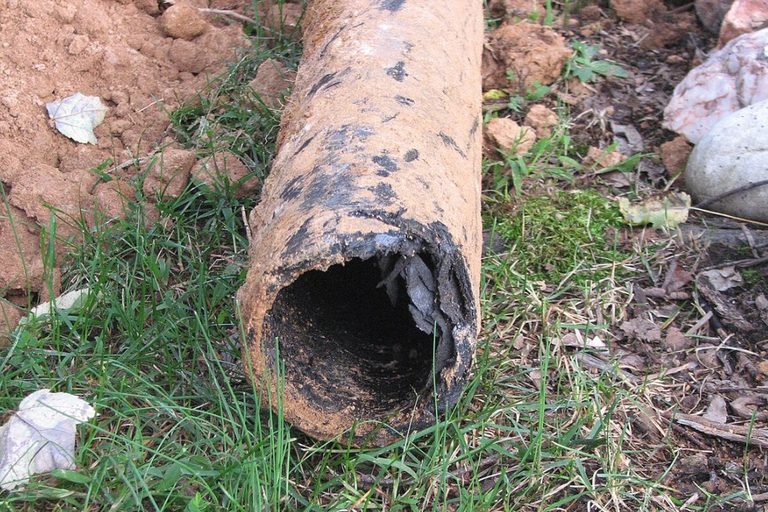
What an inspector looks for on sewer-scope video of Orangeburg pipe: out-of-round walls, blisters, roots, and separated joints.
Is a $250 sewer scope worth it on an older home? See what a camera finds in old lines, what it misses, and what to ask for.