Plumbing
No cleanout. The backup is how people find out
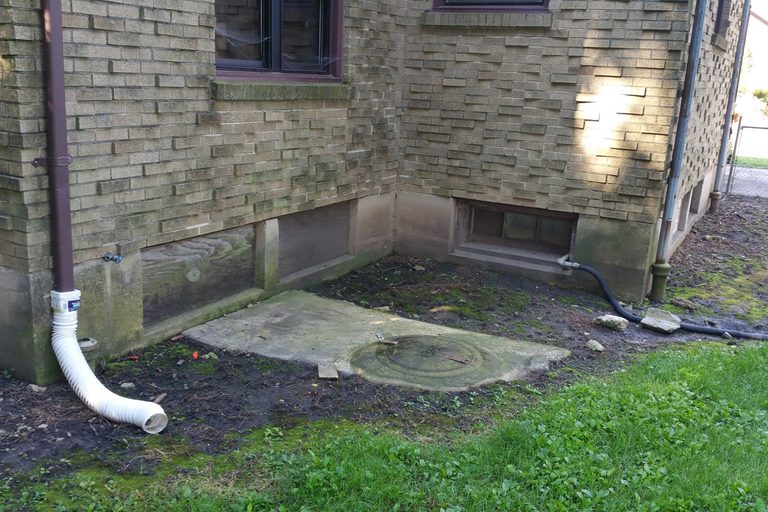
Learn how to find your sewer cleanout, what plumbing codes require, who owns the sewer line, and what a scope or cleanout install costs.
Learn why a crushed sewer tie-in on a turnkey house needs written utility confirmation, a scope, and a plumber's quote before your inspection deadline.
You expect a turnkey house to be ready for everyday use, so a sewer scope showing a pipe squeezed to half its height is a serious defect to address before your inspection deadline. The damaged section deserves negotiation, but the seller’s note calling it a “city line” does not establish who owns it or who must pay; treat responsibility as unresolved until the utility confirms it in writing.
Get your own scope and written assessment, then use the utility’s answer and a contractor’s quote to decide whether to request a credit, seek more time, or use your inspection contingency.
In September 2026, a buyer considering a property billed as turnkey posted the seller’s sewer scope notes on Reddit. With no cleanout, the camera went in through a roof vent. The cast iron under the house looked excellent, followed by a short run of terracotta and then concrete.
At the tie-in to what the inspector called the “City’s thin wall sewer,” the pipe was squeezed to about half its height. Waste and tissue still flowed through it. A locator placed the spot in line with the neighborhood storm drains, and the buyer received no formal report.
A deformed section at the tie-in is a real defect worth negotiating over, but the words “city line” in the seller’s notes do not settle ownership or payment responsibility. Memphis code defines the “building sewer” as the line from the house to the public sewer and assigns installation costs to the owner; that language is in the Memphis sewer-use ordinance. It does not, by itself, confirm who maintains this particular section.
Treat the location and responsibility as unresolved until the utility confirms them in writing. The scope notes are a starting point for follow-up, not enough to establish the pipe’s exact condition or who is responsible for repair.
A seller’s informal notes do not give you the documentation needed to evaluate a sewer defect; ask for a complete video and a written report. A proper deliverable identifies pipe materials, records defects, and notes access conditions such as the absence of a cleanout. Under InterNACHI’s sewer scope standard, a crushed or egg-shaped pipe is a “needs correction” item.
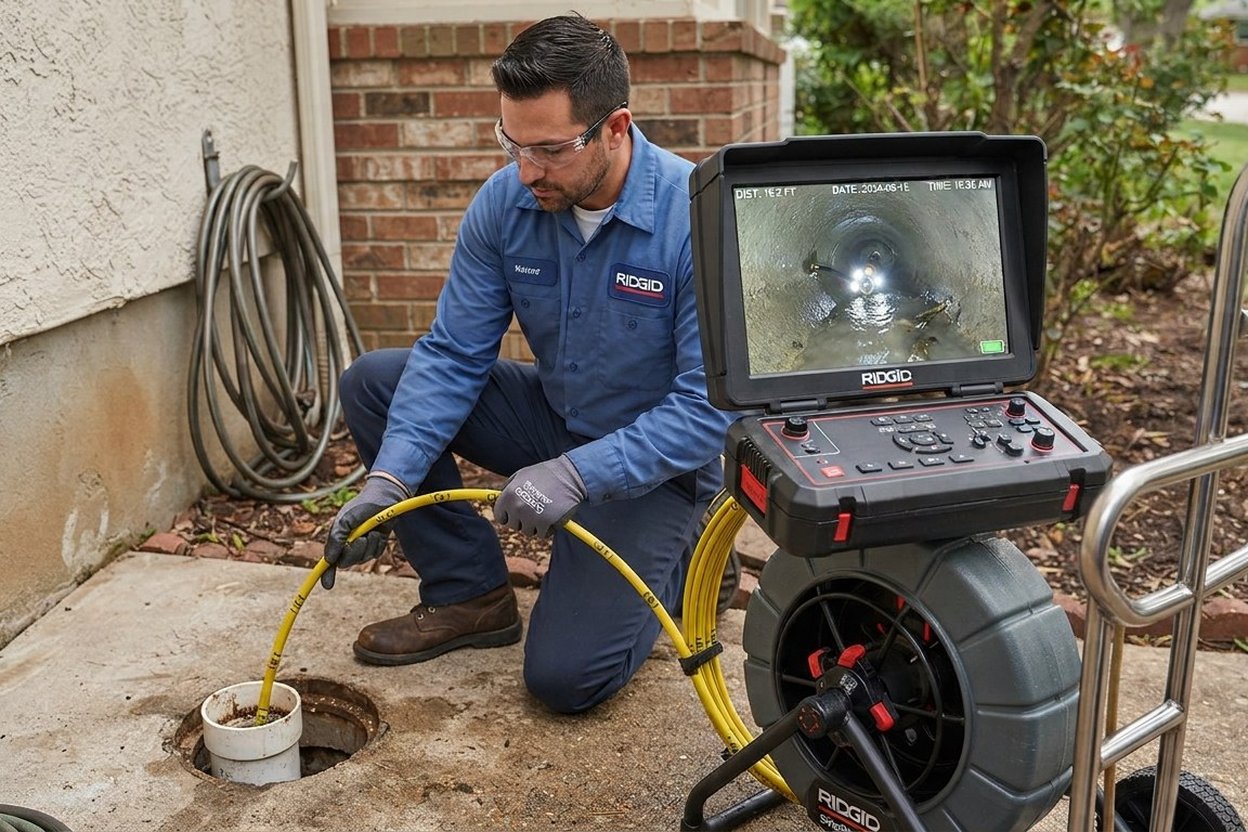
A camera can go through a roof vent when access is safe. That method does not replace a full video or a report describing what the camera shows. Standard home inspections do not cover the inside of the sewer, so a scope is your only direct view of that buried line.
Order your own scope from an inspector who works for you. Ask for distance readings to each defect and to the main, so you can compare the camera footage with the utility’s map and any repair quote.
The utility must confirm who maintains the damaged section; a location near the street does not establish responsibility. Use the footage, site measurements, and utility records to identify where the defect sits.
Responsibility varies by city. Memphis code defines the “building sewer” as the line from the house to the public sewer and puts installation costs on the owner. Seattle and New York City make owners responsible all the way to the main; check the rules for Seattle side sewers and New York City sewer backups. Portland, Oregon, maintains laterals from the main to the curb on curbed, paved streets under its city code. Those examples show why you need a direct answer for the property you are buying.
A national sewer-line replacement average is about $3,319, with most jobs reported between $1,388 and $5,323. Costs run about $50 to $250 per foot depending on the method, so the length and location of the repair affect the estimate.
Street-side work can cost more because it may involve excavation under pavement, permits and right-of-way work, and street restoration. Commenters on the Memphis post guessed anywhere from “thousands” to “tens of thousands worst case”; those comments are not a contractor quote for this property.
Ask a plumber for a written quote that names the exact section to be replaced, its estimated length, and the proposed work area. A quote should make clear whether it covers the deformed tie-in section or includes additional pipe.
Use the inspection period to get written answers and a repair estimate before deciding whether to proceed. Start by asking the seller to obtain written confirmation from the utility identifying who owns or maintains the deformed section.
Then request a credit or price reduction based on a written plumber’s quote. A credit gives you more control over the contractor and scope of work than a seller-managed repair. Keep the scope video, written report, quote, and correspondence with your transaction records.
If the utility cannot answer before your inspection period ends, ask for an extension in writing. If you cannot reach an acceptable agreement, you can walk away under the inspection contingency, subject to your contract’s terms and deadlines.
A renovated interior gives you no assurance about the buried sewer lateral. New flooring and fixtures say nothing about a decades-old pipe, and a standard home inspection does not look inside the sewer.
Scope every older house, including properties described as fully updated. Schedule the scope early enough to receive the video, written report, and any follow-up from the utility before your inspection contingency expires.
Learn how to find your sewer cleanout, what plumbing codes require, who owns the sewer line, and what a scope or cleanout install costs.
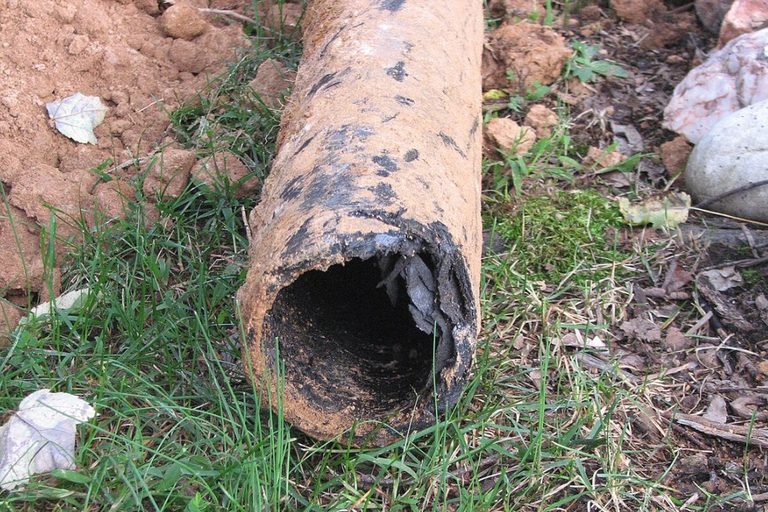
What an inspector looks for on sewer-scope video of Orangeburg pipe: out-of-round walls, blisters, roots, and separated joints.
Is a $250 sewer scope worth it on an older home? See what a camera finds in old lines, what it misses, and what to ask for.