Safety
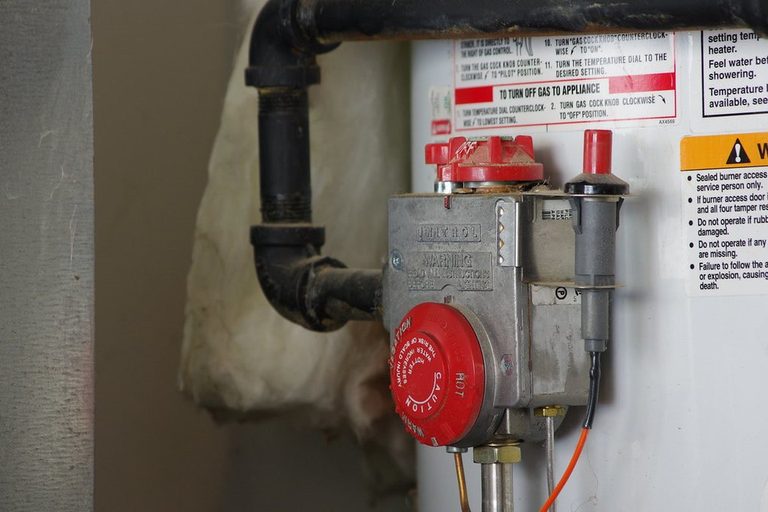
Water Heater Temperature: Why 120°F Is the Right Setting, and How to Check Yours
Why 120°F is the recommended water heater setting for safety and energy, and how to measure your tap temperature in about five minutes.
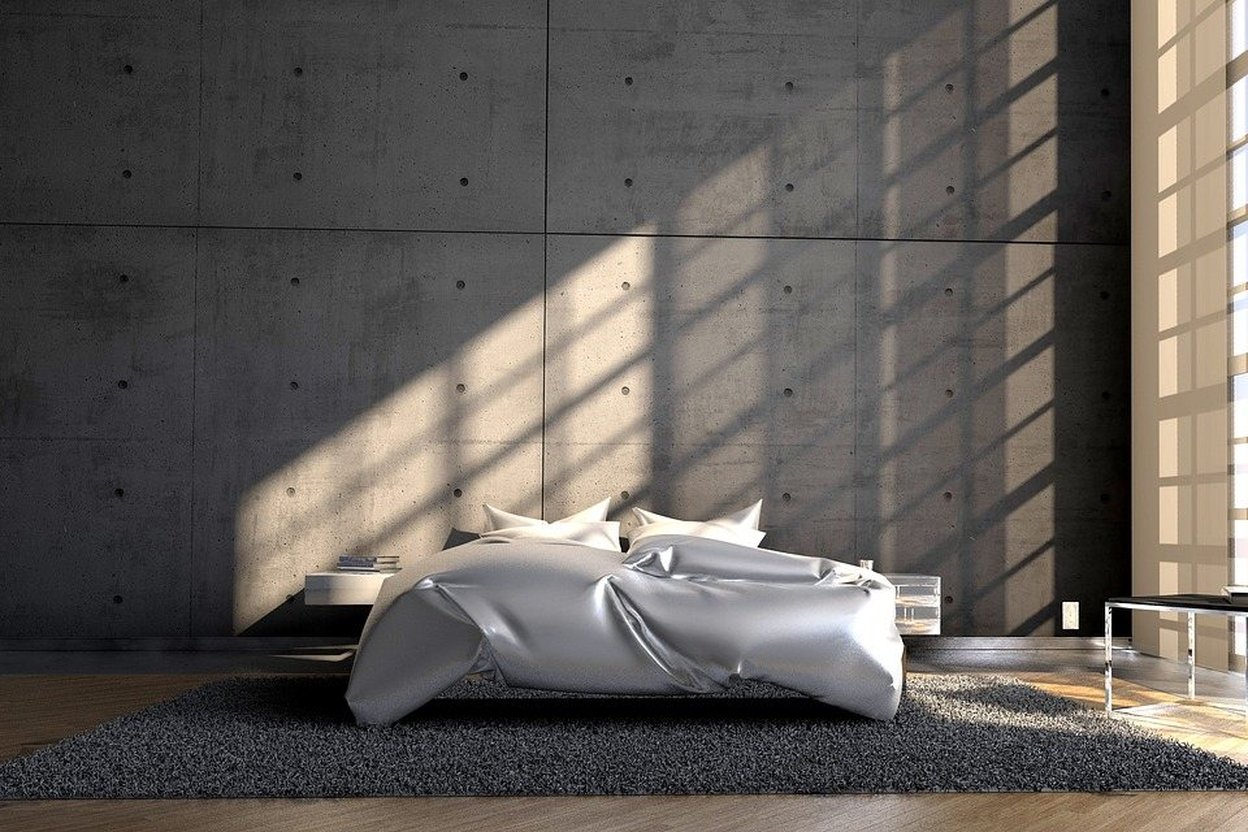
The 3-foot rule, cord and floor dangers, and a 10-minute room check before guests sleep, plus safer ways to keep the spare room warm.
Thanksgiving guests are coming, the spare room runs cold, and you're carrying a space heater down the hall. Before you plug it in, here's the short answer. A heater is unsafe within 3 feet of the bed, the curtains, furniture or a guest's suitcase. It's also unsafe on an extension cord or power strip, on a soft or uneven surface, or anywhere a sleepy guest could trip over it. And it's unsafe running at all once your guests are asleep. Below is why, how to check the room in about ten minutes, and what to do instead.
Fire and safety agencies agree on most of these rules. A space heater is unsafe in a guest room in these cases:
If guests bring children or a dog, Miami-Dade also advises a 3-foot "kid and pet-free zone" around the heater.
A guest room puts most of the fire risks in one place. It's a small room packed with fabric (a comforter, throw pillows, curtains, clothes over a chair) and a heater kept close to the bed so it's warm. CPSC reports that portable heaters, including electric space heaters, were involved in about 1,600 fires a year from 2020 to 2022. Those fires caused an average of 70 deaths and 150 injuries a year.
The most common pattern in those warnings is simple: a heater too close to something that burns. LA County's 2026 safety bulletin points out that space heaters are high-wattage appliances that can ignite nearby paper and clothing. It warns that a fire from a heater left unattended "could have catastrophic consequences."
Sleep makes all of this worse. A heater running overnight is a heater no one is watching. A comforter can slide off the bed toward it, and a sleeping guest won't see it happen. A sleeping person is also slower to notice smoke and slower to get out, especially in a house where they don't know the layout. That's why every agency above gives the same rule: the heater is off before anyone falls asleep.
Do this before guests arrive, with the heater in the spot you plan to use.
If you're buying a heater for the guest room, look for these on the box or the unit:
Plug it straight into the wall. Missouri allows one exception: if a cord truly can't be avoided, use the shortest heavy-duty cord you can find, 14-gauge wire or thicker. But the main rule from CPSC, LA County and Miami-Dade is no cord at all. Keep electric heaters away from water, too, so not in a bathroom. Don't touch one with wet hands.
After the heater has run for a while, carefully feel the plug, the cord and the outlet's cover plate. LA County gives two clear signals:
Kerosene and gas heaters carry a risk that electric heaters don't: carbon monoxide (CO). New Jersey Consumer Affairs warns that poor ventilation with any fuel-burning heater (gas, wood or kerosene) can pollute indoor air or cause CO poisoning. CO has no smell or color. A sleeping guest gets no warning before they're affected. That's why a fuel-burning heater has no place in a closed bedroom at night.
If you use one anywhere in the house, New Jersey advises looking for an oxygen depletion sensor (ODS) label. CPSC says to shut the unit off and let it cool before refueling, and never to refuel while it's running.
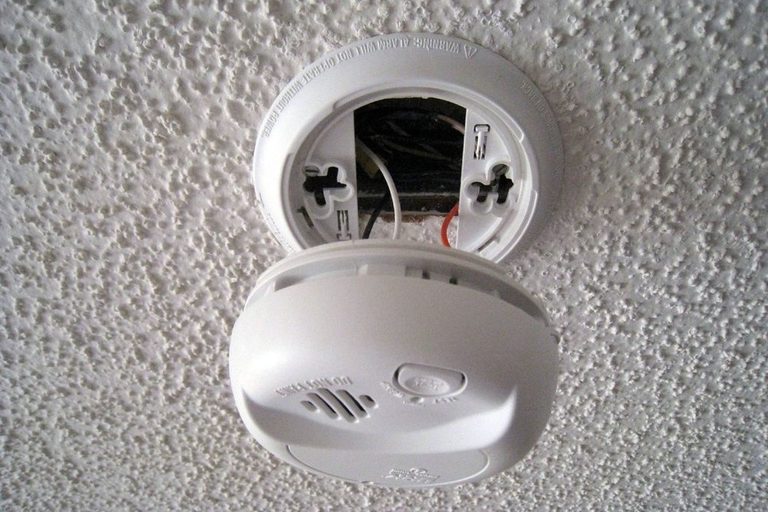
CPSC recommends CO alarms on every level of the home and outside sleeping areas, tested monthly. Missouri says to have working smoke and CO alarms whenever a space heater is in use. Before guests arrive, press the test button on the alarm in the hallway outside the guest room.
LA County's guidance is to use a portable electric heater only when adjusting the building's heating can't do the job. For a guest room, that suggests a simpler plan:
Call a licensed electrician if an outlet or faceplate gets hot, a plug fits loosely, or the heater keeps tripping a breaker. These are wiring problems, not heater problems. A different heater won't fix them. And if the guest room is always the cold room in the house, a heating and cooling (HVAC) technician can check the ductwork and airflow before next winter.
Photo by PIRO4D on Pixabay.
Why 120°F is the recommended water heater setting for safety and energy, and how to measure your tap temperature in about five minutes.
Test your CO alarms and learn what each beep means. This guide covers testing procedures, sound patterns, when to replace units, and safety steps.
A 10-minute check for Halloween and holiday lights: safety labels, outdoor-rated cords, GFCI outlets, overloaded circuits and the warning signs of a cord about to fail.